

Blog
6 Best Natural Pre-Workout Seeds & Nuts (No Supplements)

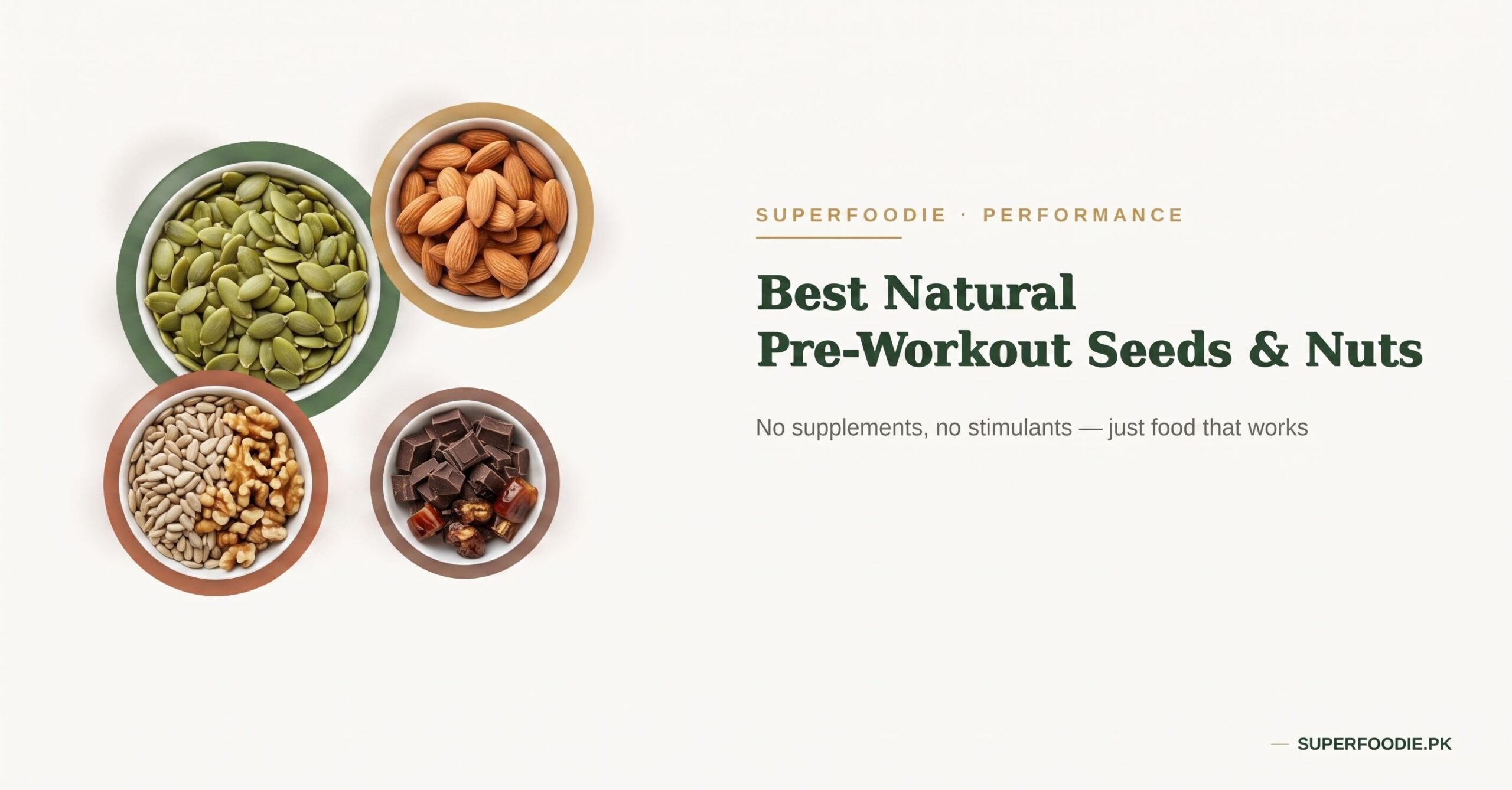
You don’t need a scoop of flavored powder and 200mg of caffeine to train well. Real food timed right does most of the same job — steady energy, no crash, nothing synthetic. Here are six that actually earn a spot in your gym bag, ranked by how well they do the job.
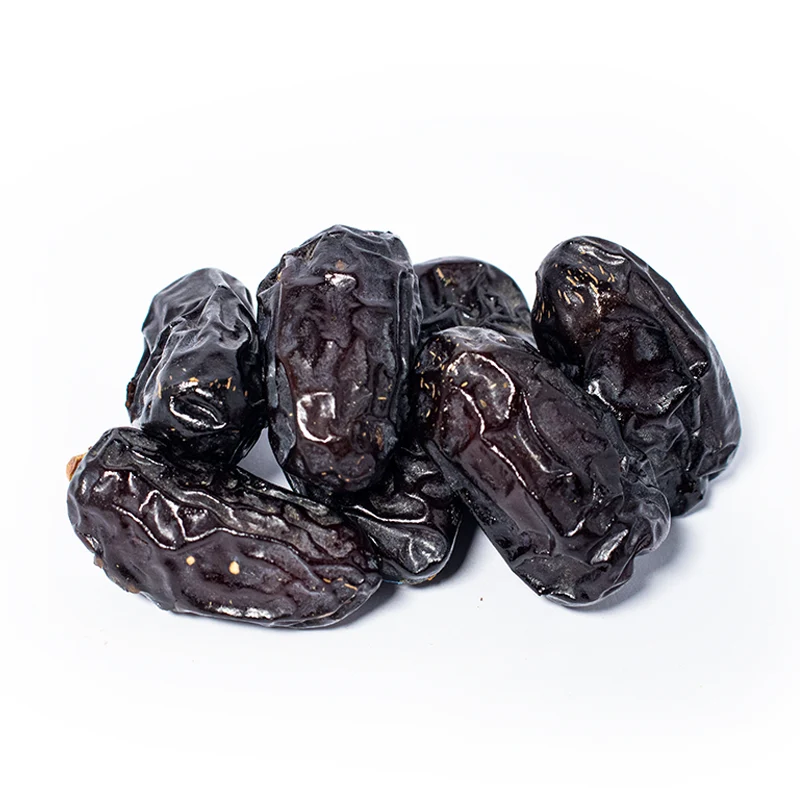
1. Dates — Best for Fast, Usable Energy
Eat: 2–3 dates, 20–30 minutes before training.
Why it’s #1: Dates are almost entirely fast-digesting natural sugar (glucose and fructose) with a bit of fiber to soften the release. That’s exactly the profile you want 20–30 minutes out — quick fuel without the heaviness of a full meal. Athletes have used dates as pre-training fuel for exactly this reason, well before “pre-workout” was a product category.
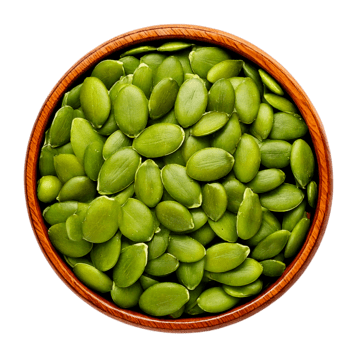
2. Pumpkin Seeds — Best for Sustained Energy + Muscle Function
Eat: A small handful (20–25g), 45–60 minutes before training.
Why it ranks high: Pumpkin seeds bring magnesium and zinc — both directly involved in muscle contraction and energy metabolism. Magnesium specifically supports normal muscle function; low magnesium is linked to cramping and fatigue during exercise. The fat and protein content also means slower digestion than dates, better suited to an hour out rather than right before you lift.
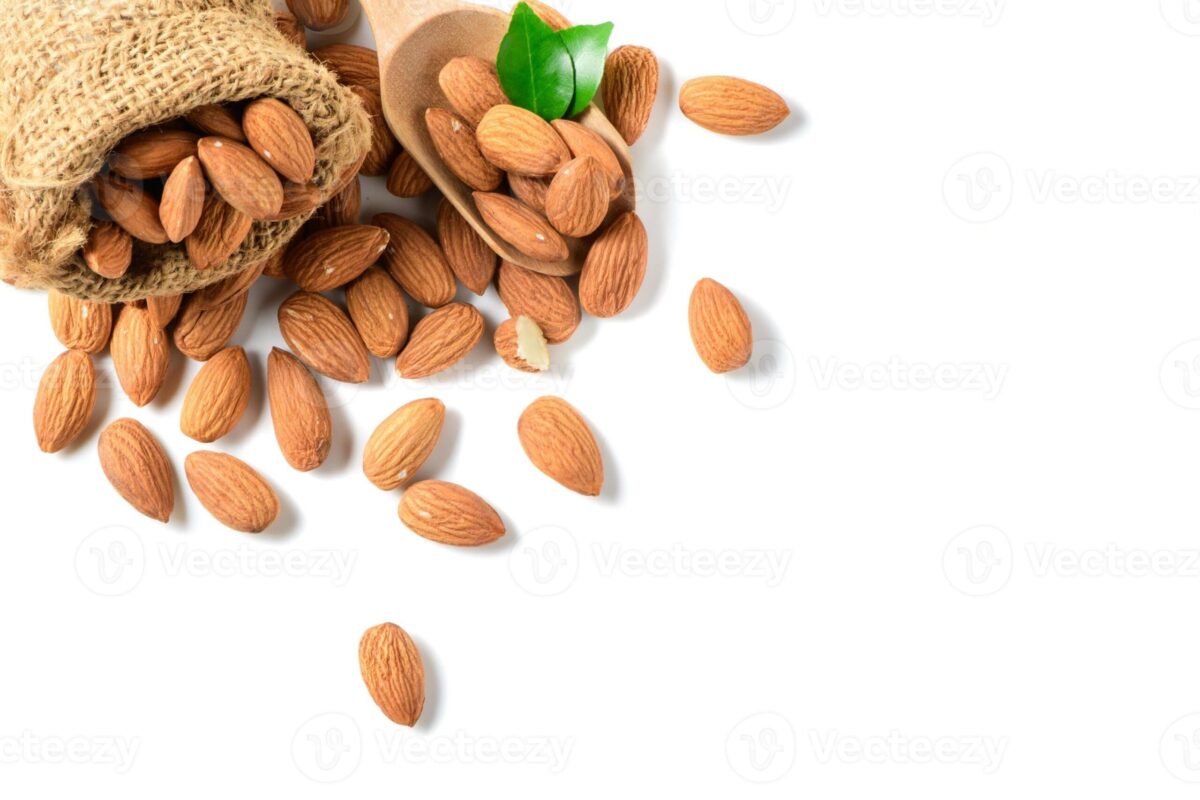
3. Almonds — Best for Longer Training Sessions
Eat: 8–10 almonds, 60–90 minutes before training.
Why it ranks here: Almonds are higher in fat than most seeds, which means slower, longer-lasting energy release — good for longer sessions (an hour-plus at the gym, or a long outdoor run) where you don’t want a mid-session dip. The trade-off is digestion time — too close to training and the fat content can feel heavy.
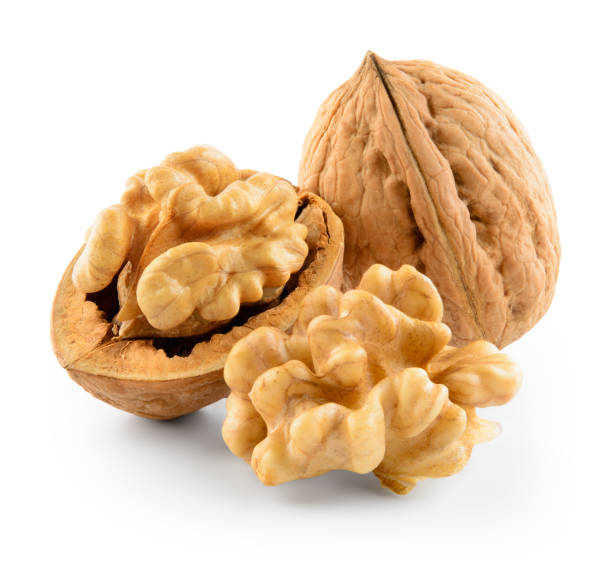
4. Walnuts — Best for Recovery-Focused Training Days
Eat: 4–5 walnut halves, 60 minutes before training.
Why it’s here: Walnuts are one of the few plant foods with meaningful omega-3 content, which plays more of a role in post-training inflammation and recovery than in immediate energy. Worth including on heavier training days where recovery matters as much as the session itself.
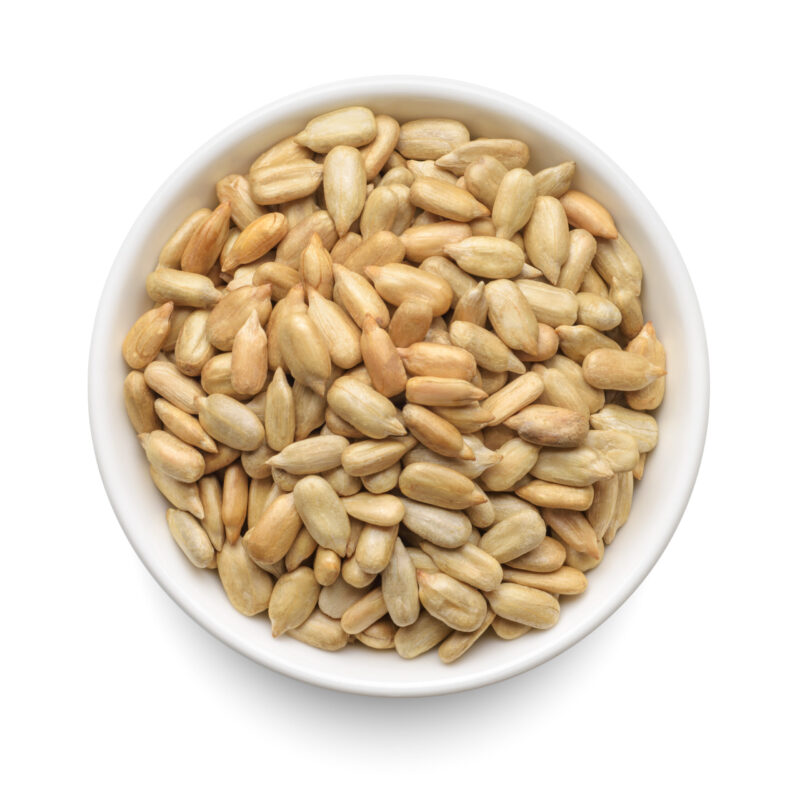
5. Sunflower Seeds — Best Budget Option
Eat: A small handful (20g), 45–60 minutes before training.
Why it’s here: Sunflower seeds bring vitamin E and a reasonable protein hit at a lower cost per serving than almonds or walnuts — see our Sunflower Seeds Price in Pakistan guide. Not the top performer on any single metric, but the best value-for-effect ratio on this list.
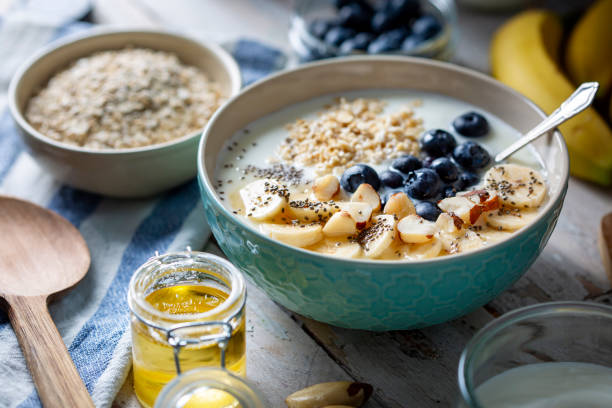
6. Banana + Seed Mix — Best “Meal Replacement” Pre-Workout
Eat: 1 banana with a tablespoon of mixed seeds, 30–45 minutes before training.
Why it’s here: When you genuinely need to eat something more substantial before training — say you skipped a meal — banana’s fast carbs plus a mixed seed topping (protein, fat, fiber) is a more complete option than any single food on this list, at the cost of needing slightly more digestion time than dates alone.
Quick Pick: What to Grab Based on Time Before Training
| Time Before Training | Best Pick |
|---|---|
| 15–20 minutes | Dates (2–3) |
| 30–45 minutes | Banana + seed mix, or sunflower seeds |
| 45–60 minutes | Pumpkin seeds |
| 60–90 minutes | Almonds or walnuts |
Why Skip the Supplement Version
Commercial pre-workout supplements mainly deliver caffeine and sometimes beta-alanine or citrulline — real ergogenic aids, but not something most casual or intermediate gym-goers need to hit a solid session. The foods above cover the actual physiological need (available energy, key minerals for muscle function) without the stimulant load, the cost of a supplement tub, or the crash afterward that high-dose caffeine pre-workouts are known for.
Where Superfoodie Fits
Our Performance Seeds Kit covers the pumpkin and sunflower seeds from this list in one pack, raw and sortex-cleaned — no roasting, no added salt or oil, so you control exactly how and when you eat them around training.
Curious whether seeds or a whey scoop work out cheaper per gram of actual protein? See Seeds vs. Whey Protein: Cost Per Gram, Compared.