

Blog
Chia Seeds: Benefits, Nutrition, Uses, Weight Loss & How to Eat Them

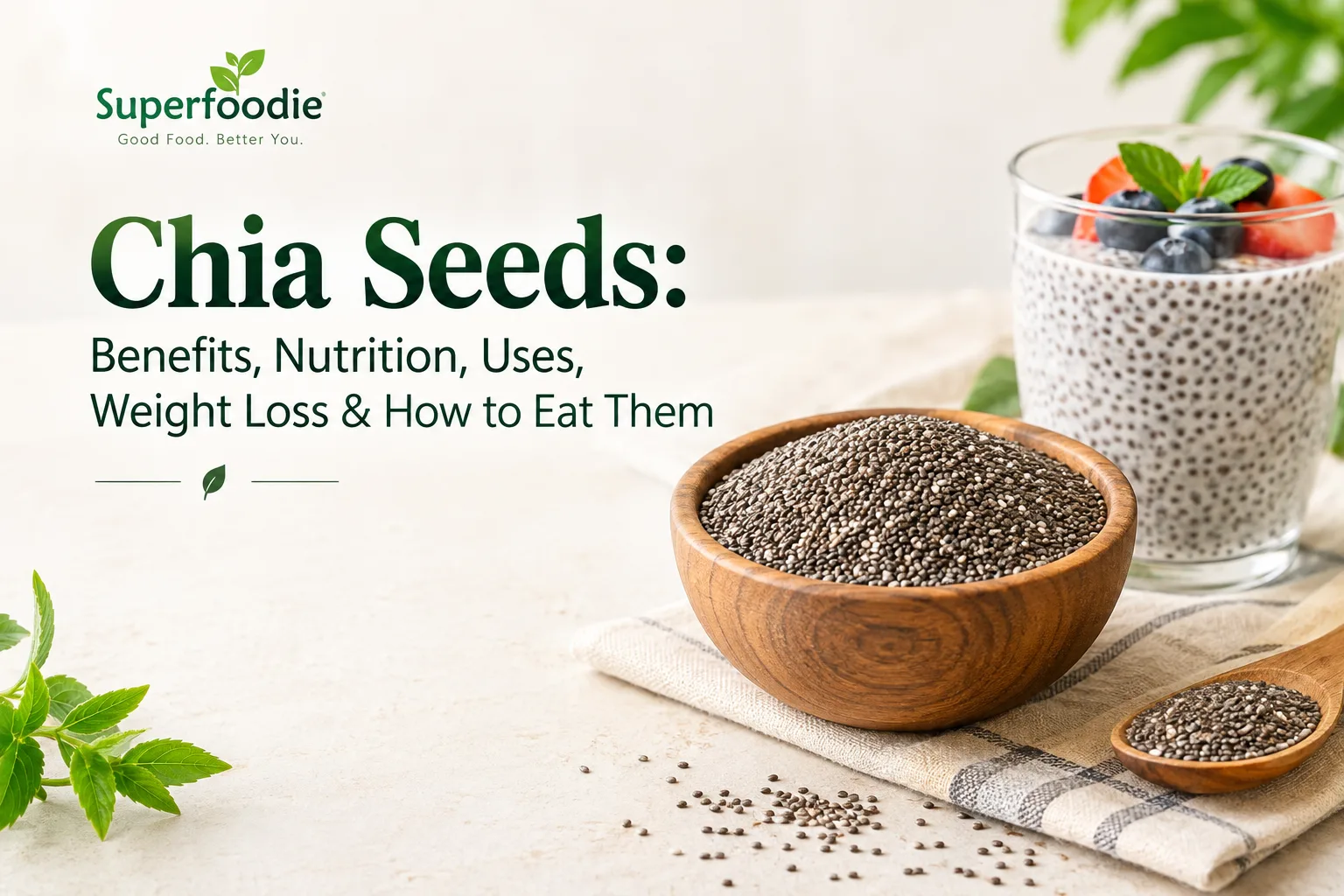
Chia seeds have become one of the most popular superfoods in Pakistan—and for good reason. These tiny black, grey or white seeds are packed with dietary fiber, plant-based omega-3 fatty acids, protein, calcium, magnesium and other minerals. A 28-gram serving provides roughly 138–140 calories, nearly 10 grams of fiber and about 5 grams of protein.
They are also incredibly easy to add to everyday foods. You can mix chia seeds into yogurt, oats, smoothies, salads or make chia pudding.
But there is a lot of misinformation around them too.
Do chia seeds actually help with weight loss?
Are chia seeds and tukh malanga the same thing?
How much should you eat per day?
Should you soak them?
Can you eat them directly?
And what do studies actually say about their health benefits?
This complete guide covers chia seeds benefits, nutrition, uses, weight loss, daily intake, safety, how to use them in Pakistan, and the difference between chia seeds and tukh malanga.
What Are Chia Seeds?
Chia seeds come from the plant Salvia hispanica, a flowering plant in the mint family.
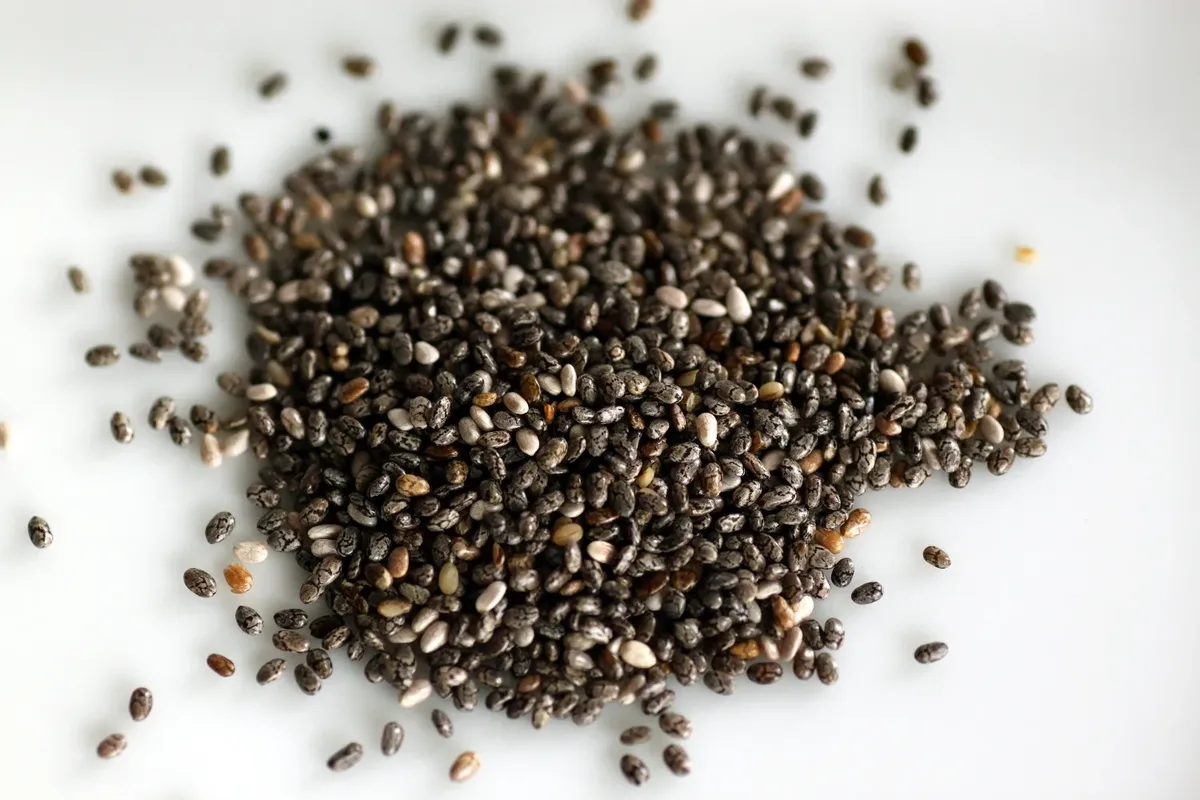
They are very small, oval-shaped seeds that can be black, grey, white or speckled. Chia has a mild taste, so it works well in both sweet and savory foods. When mixed with liquid, the seeds develop a gel-like coating because of their soluble fiber and mucilage.
Chia seeds are particularly valued for their combination of:
- Fiber
- Plant protein
- Omega-3 ALA
- Calcium
- Magnesium
- Phosphorus
- Iron
- Zinc
Harvard’s Nutrition Source describes chia as a particularly rich plant source of omega-3 fatty acids and notes that a 1-ounce serving provides substantial fiber, protein and minerals.
What Are Chia Seeds Called in Urdu?
In Pakistan, chia seeds are commonly written as:
چیا سیڈز
You may also see:
چیا کے بیج
Chia seeds
Chia beej
There is an important point here:
Chia seeds are NOT the same as Tukh Malanga.
This is one of the most common sources of confusion in Pakistan.
Chia seeds come from Salvia hispanica, while what is commonly sold as Tukh Malanga / Tukhm-e-Malanga (تخم ملنگا) generally refers to basil seeds from Ocimum basilicum. Both can swell in water, but they are different seeds. Current Pakistani articles and sellers are increasingly addressing this exact confusion.
We’ll compare them properly below.
Chia Seeds Nutrition
Chia seeds are small, but nutritionally concentrated.
According to USDA-derived nutrition data, approximately 28g (1 ounce) of dried chia seeds provides:
| Nutrient | Approx. amount per 28g |
|---|---|
| Calories | 138 kcal |
| Protein | 4.4–4.7g |
| Fat | 8.7g |
| Carbohydrates | 12g |
| Dietary fiber | 9.8–10.7g |
| Calcium | 179mg |
| Magnesium | 95mg |
| Phosphorus | 245–269mg |
| Iron | ~2.2mg |
| Zinc | ~1mg |
Values vary slightly between food databases and products.
Why this nutrition profile is interesting
A large portion of the carbohydrate in chia seeds comes from fiber, while the fat is predominantly unsaturated and includes a large amount of alpha-linolenic acid (ALA), a plant omega-3 fatty acid.
That combination is why chia seeds are often described as a nutrient-dense food.
8 Potential Benefits of Chia Seeds
1. Chia Seeds Are Extremely High in Fiber
This is probably the biggest nutritional reason people add chia seeds to their diet.
Around 28g provides close to 10g of dietary fiber.
Fiber contributes to normal digestive function and can make meals more filling.
Chia’s ability to form a gel when hydrated is related to its soluble fiber and mucilage content. That gel can increase the viscosity of the food or drink in which the seeds are mixed.
What that means in everyday life
Adding chia to yogurt, oats or a smoothie is an easy way to increase your fiber intake without dramatically changing the flavor.
2. They Provide Plant-Based Omega-3 ALA
Chia seeds are especially well known for their alpha-linolenic acid (ALA) content.
Harvard notes that roughly 60% of the oil in chia is omega-3 ALA, making chia one of the richest plant sources of this fatty acid.
ALA is an essential fatty acid, meaning your body needs it from the diet.
One important clarification:
ALA is not the same as EPA and DHA.
Chia provides ALA, while fatty fish provide the long-chain omega-3s EPA and DHA.
The body can convert some ALA to EPA and DHA, but the conversion is limited.
So chia seeds are an excellent plant source of omega-3 ALA, but they should not simply be described as nutritionally identical to fish.
3. Chia Seeds Provide Plant Protein
A 28g serving contains around 4.5–5g of protein.
Chia protein includes all nine essential amino acids, although the amount of total protein you get from a normal serving is still modest compared with high-protein foods such as eggs, dairy, meat or legumes.
This makes chia useful as a protein-containing ingredient, rather than a standalone high-protein meal.
4. Chia Seeds Provide Calcium and Magnesium
Chia is also a useful source of several minerals.
A 28g serving contains roughly 179mg calcium and 95mg magnesium.
Calcium contributes to normal bone and muscle function, while magnesium participates in hundreds of biochemical reactions throughout the body.
This doesn’t mean chia alone can “strengthen your bones” or “fix magnesium deficiency,” but it can contribute to overall nutrient intake.
5. Chia May Help With Fullness
Because chia contains a lot of fiber and absorbs liquid, it can make foods more substantial.
In a small randomized crossover study involving 24 adults, yogurt containing 7g or 14g of chia seeds increased reported satiety and reduced several hunger-related ratings compared with yogurt without chia.
That provides a plausible reason chia may help some people feel fuller after eating.
But feeling fuller from one meal is not the same thing as automatically losing body fat.
6. Chia Seeds May Support Cardiovascular Health
Research into chia and cardiovascular markers is promising but not definitive.
A 2024 systematic review and meta-analysis of 14 randomized trials involving 835 participants found reductions in triglycerides across dosing groups, while reductions in LDL cholesterol and systolic blood pressure were observed in certain analyses.
Another systematic review and meta-analysis of randomized trials found significant reductions in blood pressure, while finding no significant effects on body weight, BMI, body fat percentage, fasting blood glucose or HbA1c.
This distinction is important.
Chia is a nutritious food—not a cholesterol or blood-pressure medicine.
If you have hypertension, diabetes or high cholesterol, do not replace prescribed treatment with chia seeds.
7. Chia May Support a Healthy Digestive Diet
Chia’s high fiber content makes it useful for people who are trying to increase dietary fiber.
Once hydrated, chia forms a gel-like texture because of its mucilage. This is one reason it works so well in foods such as overnight oats and chia pudding.
However, suddenly adding a large amount of fiber can cause:
Gas
Bloating
Abdominal discomfort
So increase intake gradually and drink enough fluids.
8. Chia Seeds Are Easy to Use
This may sound simple, but it is one of chia’s biggest practical advantages.
You don’t need to cook them.
You can add them to:
- Yogurt
- Milk
- Oats
- Smoothies
- Salads
- Porridge
- Chia pudding
- Homemade energy bites
That makes chia particularly convenient for busy students, office workers, fitness enthusiasts and families.

winter Sale
20% Off
Chia Seeds for Weight Loss: Do They Actually Work?
This is probably the biggest reason people search for chia seeds online.
The internet is full of claims such as:
“Drink chia water every morning and lose weight.”
The evidence is much less dramatic.
Chia seeds can be part of a weight-loss diet, but they are not a fat-burning food.
Their high fiber content can contribute to fullness, and small trials have found increased satiety after chia-containing foods.
However, a systematic review and meta-analysis of randomized trials found no significant overall effect on body weight, BMI or body fat percentage in the analyzed studies.
So the practical answer is:
Chia can help you build a more filling, nutritious meal—but it does not automatically make you lose weight.
The total diet, calorie intake, physical activity, sleep and other lifestyle factors matter far more than one ingredient.
Chia Seeds and “Chia Water” for Weight Loss
Chia water has become especially popular on social media.
Typically, people mix chia seeds into a glass of water, allow them to hydrate and then drink the mixture.
There is nothing inherently wrong with consuming chia this way, but there is a problem with the marketing:
“Chia water” itself has not been established as a special fat-loss treatment.
There is no clinical guideline showing that drinking chia water before a meal produces a unique weight-loss effect.
The potential benefit is more likely to come from the fiber and fullness associated with chia as part of the overall diet, not from a special “detox” or fat-burning property of the water.
How Much Chia Seeds Should You Eat Per Day?
There is no single medically required serving size for every person.
A commonly used food serving is approximately:
1–2 tablespoons per day
which is roughly 10–28g, depending on the exact spoon size.
Many people find it easier to start with around 1 tablespoon and increase gradually if they tolerate it well.
There is no need to consume huge amounts.
More chia does not automatically mean more health benefits.
Because chia is high in fiber, suddenly increasing your intake can cause digestive discomfort.
Should You Soak Chia Seeds Before Eating?
This is one of the most important practical questions.
Soaking chia seeds is a good option, especially when consuming a larger amount.
When hydrated, chia forms a gel-like coating. This makes it easy to incorporate into yogurt, oats, pudding and drinks.
There is also a safety consideration.
Chia seeds can absorb substantial amounts of liquid and expand. The American College of Gastroenterology has reported a case of esophageal obstruction after dry chia seeds were followed by water, particularly in a person with swallowing difficulty.
A practical rule:
Don’t swallow a large spoonful of dry chia seeds and then chase them with water.
Instead, mix them into a moist food or hydrate them first.
Anyone with a history of swallowing difficulty should be particularly careful.
How Long Should You Soak Chia Seeds?
For everyday use, many people soak chia seeds for around 15–30 minutes or prepare them in advance.
The exact time depends on the recipe and desired texture.
For chia pudding, leaving them in the refrigerator for several hours or overnight creates a thicker consistency.
Simple chia-water method
1 tablespoon chia seeds
- 1 large glass of water
Stir thoroughly and allow the seeds to hydrate before drinking.
You can also add lemon or use them in another food or beverage.
The goal is not to create a “detox drink”—it is simply an easy way to consume chia.
10 Easy Ways to Eat Chia Seeds
1. Chia Seeds With Yogurt
Add 1 tablespoon to plain yogurt and top with fruit.
2. Overnight Oats
Mix chia seeds with oats, milk or yogurt and refrigerate overnight.
3. Smoothies
Blend chia into a fruit, yogurt or milk-based smoothie.
4. Chia Pudding
Mix chia with milk or a plant-based alternative and refrigerate until thick.
5. Oatmeal
Sprinkle chia into cooked oats.
6. Fruit Bowls
Add chia to banana, apple, berries or other fruits.
7. Salads
Use a small amount as a topping.
8. Homemade Energy Bites
Combine chia with oats, nuts, dates or peanut butter.
9. Lassi or Yogurt Drinks
Add hydrated chia to a homemade lassi or yogurt-based drink.
10. Chia Egg
Chia can also be mixed with water to create a gel that works as a binding ingredient in some plant-based baking recipes.
Chia Seeds vs Tukh Malanga: Are They the Same?
No.
This is one of the most important things Pakistani consumers should know.
Chia seeds and Tukh Malanga are different seeds from different plants.
| Feature | Chia Seeds | Tukh Malanga / Basil Seeds |
|---|---|---|
| Botanical source | Salvia hispanica | Commonly Ocimum basilicum |
| Common Pakistani name | Chia / چیا سیڈز | Tukh Malanga / تخم ملنگا |
| Appearance | Often grey, black, white or speckled | Usually black and smoother |
| In liquid | Forms a gel around the seed | Develops a prominent gelatinous coating |
| Traditional use in Pakistan | Increasingly used as a modern superfood | Common in drinks, sharbat and falooda |
| Main nutritional talking point | Fiber + ALA omega-3 + protein | Fiber and traditional culinary use |
| Same seed? | No | No |
Current Pakistani coverage specifically warns consumers not to confuse the two.
How to Tell Chia Seeds and Tukh Malanga Apart
When dry, they can look similar enough to confuse.
Chia seeds
Usually show a mix of grey, black, white or mottled coloring and are small, oval seeds.
Tukh Malanga
Usually appear darker, more uniformly black and develop a noticeable gelatinous coating after soaking.
The problem is that local names are not always used consistently by sellers, so if you’re buying chia, check the product label and botanical identity rather than relying solely on a local name. Current Pakistani food sites are specifically addressing this market confusion.
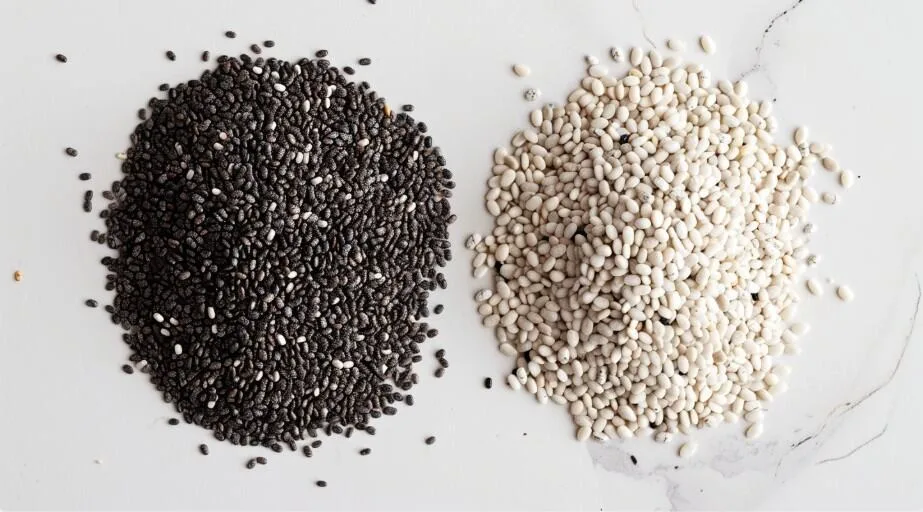
Black Chia vs White Chia: Which Is Better?
Both are genuine chia when they come from Salvia hispanica.
Research reviews report that black and white chia have broadly similar nutritional profiles, with relatively small differences depending on variety and growing conditions.
So you do not need to believe claims that one color is dramatically healthier than the other.
For most consumers:
Quality and freshness matter more than color.
Does Chia Need to Be Ground Like Flaxseed?
No.
Chia seeds can be consumed whole, unlike flaxseed, which is often ground to improve access to its nutrients.
Because chia forms a gel and is relatively soft once hydrated, whole chia is commonly used in foods and drinks.
Grinding is optional and mainly depends on your preferred texture and recipe.
Chia Seeds for Digestion
Chia is particularly popular for digestive health because it is very high in dietary fiber.
A 28g serving provides roughly 10g of fiber.
That can make chia useful for increasing total fiber intake.
However:
Start slowly.
Someone who normally eats little fiber and suddenly consumes several tablespoons of chia may experience bloating or gas.
Increasing fiber gradually and maintaining adequate fluid intake is a more sensible approach.
Chia Seeds for Blood Sugar
Chia is sometimes promoted as a food that “controls blood sugar.”
The evidence is more nuanced.
A systematic review and meta-analysis of randomized controlled trials found no significant overall effect of chia consumption on fasting blood glucose, HbA1c or insulin, although the authors noted limitations including small study numbers and heterogeneity.
Some individual studies have reported slower post-meal glucose responses or changes in metabolic markers, but that does not establish chia as a diabetes treatment.
So:
Chia can be part of a balanced diet for someone managing blood sugar, but it should not replace diabetes medication or a professionally designed diet.
Chia Seeds for Blood Pressure and Heart Health
There is some promising evidence here, but again, don’t overstate it.
A 2024 meta-analysis of randomized trials found reductions in some cardiovascular risk markers, including triglycerides and, in certain analyses, LDL cholesterol and systolic blood pressure.
Another meta-analysis found reductions in systolic and diastolic blood pressure but no significant changes in body weight or glycemic parameters.
This means chia deserves a place in the conversation about healthy dietary patterns, but not as a replacement for medication or medical care.
Chia Seeds for Skin and Hair
Chia seeds provide protein, ALA omega-3 and several minerals, so they can contribute to overall dietary nutrition.
But claims that eating chia directly cures acne, stops hair loss or dramatically increases hair growth go beyond the available evidence.
A nutritious diet can support normal skin and hair health, but persistent acne, hair loss or other medical conditions should be assessed based on their actual causes.
For Superfoodie’s broader seed content, this is where internal links to your future Seeds for Hair Growth & Hair Fall article will make sense.
Possible Side Effects of Chia Seeds
Chia seeds are generally well tolerated when consumed appropriately, but there are some practical considerations.
Digestive discomfort
Large quantities can cause:
- Bloating
- Gas
- Abdominal discomfort
This is particularly likely when fiber intake increases suddenly.
Swallowing risk
Dry chia seeds expand when exposed to liquid.
People with swallowing difficulties or esophageal problems should be especially careful. The American College of Gastroenterology has documented a case of esophageal impaction involving dry chia seeds.
Allergy
Seed allergies are possible, although they are uncommon.
Anyone experiencing symptoms of a serious allergic reaction should seek urgent medical attention.
Who Should Be More Careful With Chia Seeds?
Most healthy adults can include chia seeds in a balanced diet.
However, people with:
- swallowing difficulties
- certain digestive conditions
- significant food allergies
- medically prescribed dietary restrictions
should consider individual guidance from a healthcare professional.
If you’re taking medication for blood pressure, diabetes or another condition, don’t use chia as a reason to alter your treatment without medical advice.
What Is the Best Time to Eat Chia Seeds?
There is no scientifically established “best time” for everyone.
You can eat them:
At breakfast
with yogurt, oats or a smoothie
Before lunch
as part of a filling snack
In the afternoon
with yogurt or fruit
At night
in chia pudding or another meal
The important thing is how chia fits into your overall diet.
There is no good evidence that eating chia at exactly 7am—or exactly before bed—creates special fat-loss benefits.
Chia Seeds in Pakistani Diets
Chia does not need to replace traditional Pakistani foods.
Instead, it can be added to foods you already eat.
With Dahi
Add chia to plain yogurt and fruit.
With Lassi
Hydrated chia can be incorporated into a homemade lassi.
With Oats
Use it in breakfast oats or overnight oats.
With Fruit Chaat
Add a small amount for extra texture and fiber.
With Smoothies
Blend it with banana, milk or yogurt.
During Ramadan
Chia can be added to a balanced sehri or iftar meal, especially when incorporated into yogurt, oats or another hydrating food.
The important thing is to maintain a balanced diet rather than treating chia as a special “Ramadan detox.”
How to Choose Good Chia Seeds in Pakistan
Whether you’re buying online or from a store, pay attention to:
Freshness
The seeds should smell clean and neutral, not rancid.
Packaging
Choose sealed packaging that protects the seeds from moisture and contamination.
Appearance
Chia should look clean and reasonably uniform.
Ingredients
For plain chia seeds, the ingredient list should simply be chia seeds.
Storage instructions
Follow the seller’s storage guidance after opening.
And because chia seeds can be confused with other gel-forming seeds in Pakistan, check the label carefully.
Chia Seeds Price in Pakistan
Chia seed prices vary in Pakistan depending on:
- Brand
- Quality
- Imported vs local sourcing
- Pack size
- Packaging
- Seller
- Current market costs
This is why a 250g pack at one store can have a very different price from a 500g or 1kg pack elsewhere.
Instead of comparing price alone, compare:
Price per 100g
Freshness
Purity
Packaging
Actual seed quality
For Superfoodie’s latest price and pack options, link this section directly to your current Chia Seeds product page rather than hard-coding a price into the article. That way the article doesn’t become outdated whenever your product price changes.
Chia Seeds vs Flax Seeds vs Pumpkin Seeds
Different seeds have different strengths.
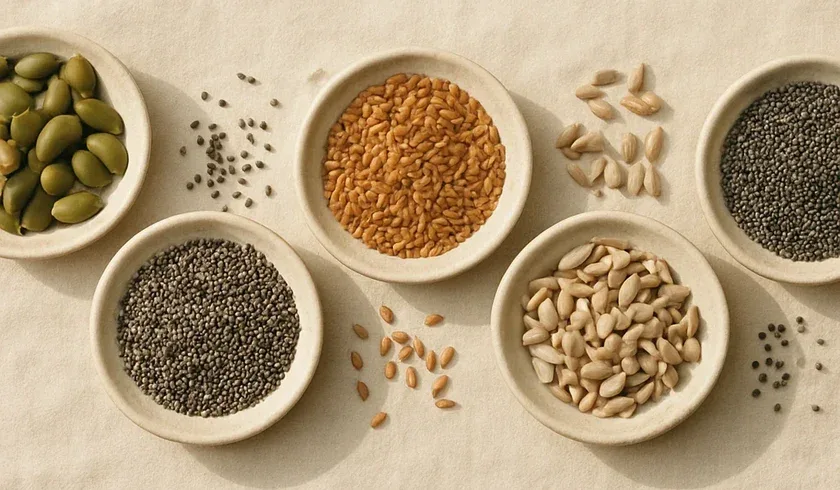
| Seed | Notable nutritional strengths |
|---|---|
| Chia | Fiber, ALA omega-3, calcium, magnesium |
| Flax | ALA omega-3, fiber, lignans |
| Pumpkin | Protein, magnesium, zinc |
| Sunflower | Vitamin E, unsaturated fats, minerals |
There is no universal winner.
A varied diet that includes different seeds can provide a broader range of nutrients.
This is also why Superfoodie’s seed combinations can make sense as a dietary variety strategy, rather than positioning one seed as a magical solution for every health goal.
Chia Seeds: Common Myths vs Facts
Myth: Chia seeds burn belly fat.
Fact: Chia does not specifically burn belly fat. It can be part of a healthy calorie-controlled diet, but human trials have not established it as a direct fat-burning food.
Myth: Chia seeds and Tukh Malanga are the same.
Fact: They are different seeds from different plants.
Myth: You must grind chia seeds.
Fact: Whole chia seeds can be consumed directly, especially when hydrated or mixed into moist foods.
Myth: More chia means more benefits.
Fact: Large amounts can cause digestive discomfort, and more is not automatically better.
Myth: Chia water detoxes the body.
Fact: There is no need to describe chia water as a detox treatment. Chia’s nutritional value comes from the seed itself, particularly its fiber, ALA and other nutrients.
Myth: Chia cures diabetes.
Fact: Current randomized-trial evidence does not establish chia as a diabetes treatment.
Frequently Asked Questions
What are chia seeds?
Chia seeds are edible seeds from Salvia hispanica, valued for their high fiber, ALA omega-3, protein and mineral content.
What are chia seeds called in Urdu?
They are commonly written as چیا سیڈز or چیا کے بیج in Pakistan.
Are chia seeds and Tukh Malanga the same?
No. Chia is Salvia hispanica, while Tukh Malanga commonly refers to basil seeds such as Ocimum basilicum.
How much chia should I eat per day?
A practical amount for many adults is around 1–2 tablespoons per day, with a gradual increase if necessary based on tolerance.
Can chia seeds help with weight loss?
They can be part of a healthy weight-loss diet because of their high fiber content and potential effect on fullness, but randomized trials have not established chia as a direct weight-loss treatment.
Should I soak chia seeds?
Soaking is a convenient and practical way to consume them. It is especially important to avoid swallowing large amounts of dry chia seeds followed by liquid because the seeds expand rapidly; people with swallowing difficulties should be particularly cautious.
Can I eat chia seeds every day?
For most healthy adults, chia can be part of a regular balanced diet. Start with a modest amount and increase gradually if your digestive system tolerates it.
Are black and white chia seeds different?
They are different varieties/colors of chia, but their overall nutritional profiles are broadly similar.
Do chia seeds need to be ground?
No. Unlike flaxseed, chia can be consumed whole.
Are chia seeds good for digestion?
Their high fiber content can help increase dietary fiber intake and support normal digestive function, provided they are consumed with adequate fluid and introduced gradually.
Are chia seeds good for hair?
They provide nutrients such as protein, ALA and minerals that contribute to a nutritious diet, but they should not be presented as a proven treatment for hair loss.
The Bottom Line
Chia seeds deserve their popularity—but not because they are a miracle food.
They are valuable because a small serving provides a remarkable combination of fiber, plant protein, ALA omega-3 fatty acids, calcium, magnesium and other nutrients.
They can be useful in:
A high-fiber diet
Balanced breakfasts
Weight-management meals
Yogurt and oats
Smoothies and chia pudding
Everyday snacks
But chia seeds do not magically burn fat, cure diabetes or replace medical treatment.
The most sensible approach is simple:
Start with a small portion, hydrate them properly, use them consistently, and make them part of an overall balanced diet.
And remember the Pakistan-specific point that often gets missed:
Chia seeds are not Tukh Malanga.
Check the label, know what you’re buying, and choose quality seeds from a reliable source.
Explore Superfoodie’s Chia Seeds
Superfoodie’s chia seeds can be used in everyday meals such as yogurt, oats, smoothies, salads and chia pudding.